#Followers1 .followers-grid, #Followers1 .followers-count { display: none !important; }
Showing posts with label Musculoskeletal system. Show all posts

Monday, 10 November 2025

Rheumatoid Arthritis: Unravelling the Pathophysiology 🧬

πŸ‘‹ Let’s dive into the fascinating (and complex) world of Rheumatoid Arthritis (RA)—a classic autoimmune disorder that’s important to understand for future clinical practice. πŸ©ΊπŸ“š


As always, understanding the pathophysiology helps to make it all make sense. 

Sunday, 31 August 2025

Understanding common fracture types 🦴

 Fractures are important—not just because they’re common, but because they reveal how bones respond to force, age, and physiology. One way to think about them is as patterns left behind by trauma: each shape tells you something about the mechanism, the anatomy involved, and what might go wrong next.


In this post, we’ll walk through common fracture types and explore how to reason through them. Not just what they look like, but why they happen, how they present, and what they mean for your patient.  

Saturday, 30 August 2025

Osteoporosis: The Silent Thief of Bone 🦴

Hey students! πŸ‘‹ Let’s take a deep dive into osteoporosis—a condition that’s far more than just “brittle bones.” In Australia, 1 in 3 women and 1 in 5 men over 50 will experience an osteoporotic fracture. 


But what’s really happening at the cellular level, and how do we tackle it? Let’s break it down (pun intended πŸ˜‰).

Tuesday, 19 August 2025

Lower Limb Anatomy in Motion: Structure Meets Function

 Every time you take a step, shift your weight, or rise from a chair, your body performs a complex, coordinated dance. The lower limb and pelvis aren’t just anatomical regions—they’re the foundation of mobility, balance, and independence. For older adults, even subtle disruptions in this system can lead to instability, falls, and fractures. Understanding how these structures work together—and what happens when they fail—is essential for building clinical reasoning from day one.


Let’s explore how bones, joints, muscles, and connective tissues work together to keep you upright—and what happens when they don’t.

Falls in the Elderly: A Preventable Problem

Falls are a major cause of injury and loss of independence in older adults. In Australia, 1 in 3 people over 65 will experience a fall each year—and for many, it’s a life-changing event.

But here’s the good news: most falls are preventable. This post explores the why, how, and what you can do about it.

Monday, 18 August 2025

Hip Fractures: A Major Challenge in Ageing Populations 🦴

Let’s talk about hip fractures—a serious and often life-altering injury, especially for our elderly patients. In Australia, hip fractures are one of the leading causes of hospital admissions in people over 65. They’re not just painful—they’re a sentinel event, often marking a turning point in a patient’s independence, mobility, and overall health.

But what exactly is a “hip fracture”? And why does it carry such weight in clinical practice?

The Normal Physiology of Bone: Remodelling, Healing & Influencing Factors 🦴

Bone physiology might seem like a dry topic at first glance, but it’s anything but. It’s the key to understanding how fractures heal, why osteoporosis develops, and what goes wrong in metabolic bone diseases. For future clinicians, this knowledge isn’t just theoretical—it’s the basis for diagnosing, managing, and preventing some of the most common and impactful conditions you’ll encounter.


Let’s start with the basics: bones are living, dynamic tissues. They’re constantly being broken down and rebuilt in a process called remodelling. This isn’t just maintenance—it’s adaptation. Bones respond to mechanical stress, repair microscopic damage, and help regulate calcium levels in the blood. But how does this happen? And what affects the bone’s ability to heal after injury?


Tuesday, 8 April 2025

Back Pain: Chronic, Complex & Concerning (Part 2)


Welcome to Part 2 – let's move beyond the acute setting to focus on the challenges of chronic low back pain, the impact of psychosocial factors (yellow flags), and how to recognise red flags that may signal serious underlying pathology. 


Monday, 7 April 2025

Sunday, 6 April 2025

Back Pain: From Assessment to Action (Part 1)

Back pain is a common yet complex presentation in Australian primary care GP and ED. Understanding acute vs chronic pain, the underlying mechanisms, and evidence-based management strategies is key—especially when differentiating between specific and non-specific causes.


Here’s a clinical reasoning-based summary πŸ‘‡

Friday, 4 April 2025

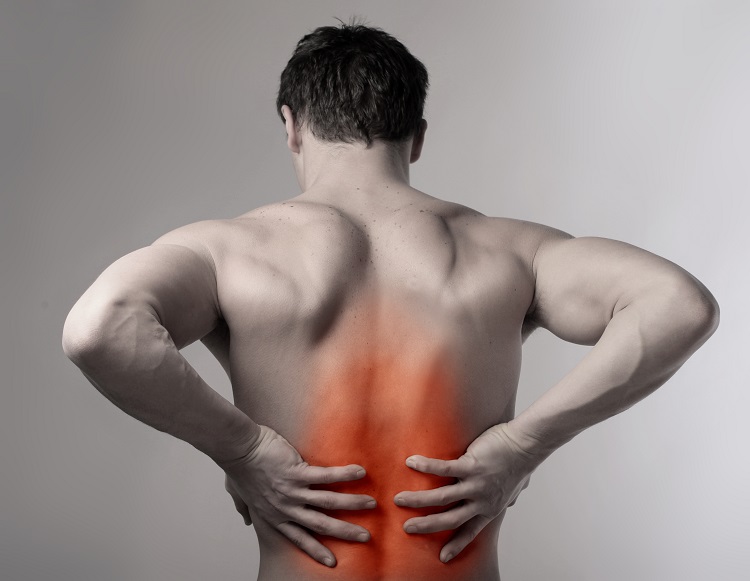
Back pain

 Back pain is common — but as a med student, your job isn’t just to recognise it. It’s to understand it. That means knowing the underlying pathophysiology, linking it to the history, and spotting red flags.


Let’s discuss one of the most common clinical presentations — and what’s going on beneath the surface πŸ‘‡ 


Friday, 21 March 2025

RA vs. OA: Pathophysiology, Clinical Presentation, & Physical Signs 🦴

 πŸ‘‹ Let’s break down two of the most important joint disorders: Rheumatoid Arthritis (RA) and Osteoarthritis (OA). Both affect the joints, but they’re very different in terms of pathophysiology, clinical presentation, and physical signs. Let’s dive in! πŸ§¬πŸ“š


↑ Back to top