#Followers1 .followers-grid, #Followers1 .followers-count { display: none !important; }
Showing posts with label Gastrointestinal system. Show all posts

Thursday, 12 June 2025

Steatosis to Cirrhosis: Exploring the Mechanisms Behind ARLD and NAFLD

In this post, we explore the similarities and differences between alcohol-related liver disease (ARLD) and non-alcoholic fatty liver disease (NAFLD)—two of the most common causes of liver dysfunction worldwide. 
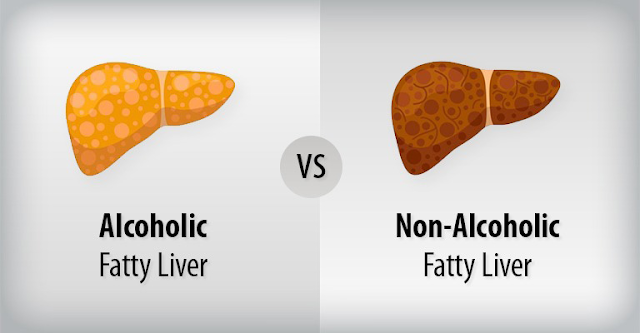

Both progress through similar pathological stages but have distinct triggers, mechanisms, and associated conditions. Let’s dive into how each affects liver structure and function.

Monday, 9 June 2025

Viral hepatitis Part 3: Making Sense of Hepatitis B Serology 🧬

Hepatitis B serology can feel like a maze of antigens, antibodies, and confusing lab results, but each marker tells a distinct story about the virus’s interaction with the immune system. Instead of memorizing isolated test results, understanding HBV’s pathophysiology makes interpretation logical, predictive, and clinically useful. 


This post breaks down the HBV lifecycle, key serological markers, and infection phases—helping clinicians differentiate acute, chronic, resolved, and vaccinated states with confidence. This guide will transform HBV serology from memorization into true understanding.

Sunday, 8 June 2025

Viral hepatitis Part 2: from Chronic Hepatitis to Cirrhosis and Liver Cancer 🧬

 While many patients recover completely from an episode of acute hepatitis, certain hepatitis viruses—especially Hepatitis B (HBV) and Hepatitis C (HCV)—fail to be cleared from the body. This persistence triggers a continuous inflammatory cascade in the liver, laying the groundwork for progressive scarring and, eventually, the development of hepatocellular carcinoma (HCC). 


In this post, we will explore:

  • What defines chronic hepatitis
  • How and why the liver progresses from inflammation to fibrosis, cirrhosis, and cancer
  • The clinical features of chronic hepatitis and cirrhosis
  • Risk factors, surveillance, and management strategies

Viral hepatitis Part 1: Understanding the Acute Inflammatory Liver Response 🦠

 Acute viral hepatitis refers to sudden-onset liver inflammation caused by one of the hepatitis viruses — most commonly Hepatitis A, B, C, D, or E. Each virus has distinct routes of transmission, clinical behaviour, and implications for public health — but they share overlapping patterns of hepatic injury.

In this post, we will explore:

  • The pathophysiology of acute hepatitis
  • Key clinical features
  • Differences between the hepatitis viruses
  • Diagnostic approach and natural history

There will be further posts to follow this regarding chronic hepatitis and on interpreting Hepatitis B serology - watch this space!

Thursday, 5 June 2025

Signs of Liver Dysfunction: Linking Pathophysiology to Clinical Signs 🚨

The liver is essential for metabolism, synthesis, detoxification, immune regulation, and storage. When liver function fails, distinct signs emerge—often across multiple systems.

This guide explains why these signs occur and how they relate to underlying liver dysfunction. Rather than trying to memorise a list of signs - it is always better to think pathophysiologically from first principles- then you will know HOW and WHY things happen as they do.


Let's start by linking liver function and DYSfunction. When you know what the liver does normally (see the Structure and function blog post if you haven't yet) you can work out what will happen if it fails. 


Tuesday, 3 June 2025

Welcome to the Liver

 Structure, Function, and Clinical Relevance

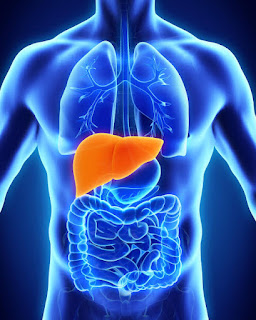
The liver is a multitasking marvel. Few organs work harder than the liver. Whether it’s keeping blood clotting smoothly, neutralising toxins, or managing energy reserves, its failure can lead to striking clinical signs—some subtle, others life-threatening.  Weighing just under 1.5 kg, it constitutes about 2% of an adult’s body weight but contributes to hundreds of critical biochemical processes. It is your metabolic hub, your detox centre, your protein factory, and your immune gatekeeper — all in one. Despite its resilience, even minor dysfunction can throw multiple systems off balance—making liver disease a key challenge in medicine.

Understanding its structure and function will help explain why liver dysfunction produces such distinct clinical signs.

Saturday, 31 May 2025

🩸 Understanding Upper vs Lower GI Bleeding: Pathophysiology & Clinical Clues

Gastrointestinal (GI) bleeding is a common and potentially serious problem in medicine. Some cases involve chronic, slow blood loss, leading to anaemia, while others can result in massive haemorrhage, requiring urgent intervention.

To effectively manage GI bleeding, doctors need to identify the source, which falls into two broad categories:

  • Upper GI Bleeding (UGIB): 

    • The bleeding comes from areas above the ligament of Treitz, meaning it starts in the oesophagus, stomach, or first part of the small intestine (duodenum).

  • Lower GI Bleeding (LGIB): 

    • The bleeding originates from below the ligament of Treitz, meaning it occurs in the jejunum, ileum, colon, or rectum.

Recognising whether the bleeding is from the upper or lower part of the digestive tract is critical for choosing the right treatment.


Sunday, 25 May 2025

Understanding the Pathophysiology of Inflammatory Bowel Disease (IBD)

 Inflammatory bowel disease (IBD) consists of Crohn’s disease (CD) and ulcerative colitis (UC)—two chronic, immune-mediated disorders of the gastrointestinal tract. While their clinical presentations may overlap, their underlying mechanisms, immune responses, and structural involvement differ significantly.

Friday, 23 May 2025

The Lower Gastrointestinal Tract: Structure & Function in Nutrient Absorption

 The lower gastrointestinal (GIT) tract plays a critical role in nutrient absorption, fluid balance, and waste excretion. It includes the small intestine (jejunum, ileum), large intestine (colon), rectum, and anus—each with unique structural and functional adaptations that optimise digestion and absorption.


Let’s explore the detailed mechanisms at work throughout this system.

Saturday, 17 May 2025

Upper GI pharmacology - important classes of drugs to know

 Acid suppression therapy

Acid suppression therapy plays a central role in the management of a range of upper gastrointestinal conditions, including gastro-oesophageal reflux disease (GORD), peptic ulcer disease, and dyspepsia. By reducing gastric acid secretion, these therapies help relieve symptoms, promote mucosal healing, and prevent complications such as bleeding or strictures. 


With the widespread use of proton pump inhibitors (PPIs) and H2-receptor antagonists, it’s important for medical students and clinicians alike to understand their mechanisms, appropriate indications, and potential risks—especially given rising concerns about long-term use.

The symphony of digestion: Gastric acid, enzymes & cellular interplay

 The digestive system functions as a well-orchestrated biochemical network, where secretions from various cell types work in harmony to break down food, absorb nutrients, and regulate gastrointestinal function.

From parietal cells producing hydrochloric acid (HCl) to pancreatic acinar cells secreting digestive enzymes, each step of digestion stimulates and modulates the next, ensuring efficient processing of nutrients.


Monday, 12 May 2025

Helicobacter pylori: the microbe that changed Gastroenterology

 Helicobacter pylori (H.pylori) is a gram-negative, spiral-shaped bacterium that resides in the gastric mucosa, affecting nearly half the global population. While many infections remain asymptomatic, H. pylori is a key driver of gastritis, peptic ulcer disease, and even gastric cancer.

Saturday, 10 May 2025

Pathophysiology of GORD: The Science Behind Acid Reflux


Gastro-oesophageal reflux disease (GORD) occurs due to chronic reflux of gastric contents into the oesophagus, leading to mucosal irritation, inflammation, and potential long-term complications.


 The key defect? Lower oesophageal sphincter (LOS) dysfunction, but several additional mechanisms contribute.

Barrett’s Oesophagus: Pathophysiology & Clinical Implications

Barrett’s oesophagus is a pre-malignant condition characterised by intestinal metaplasia of the normal stratified squamous epithelium in the oesophagus. 


This transformation occurs as a defensive response to chronic acid exposure, but paradoxically increases the risk of oesophageal adenocarcinoma.

NSAIDs & Your Stomach: What Every Med Student Should Know

Nonsteroidal anti-inflammatory drugs (NSAIDs)—such as ibuprofen, naproxen, and aspirin—are essential in clinical practice, but their effects on the gastric mucosa are often underestimated. A common belief is that taking NSAIDs with food reduces stomach irritation. But is this actually true? 


We have discussed this earlier in the week, so thought I would provide a bit more explanation ... featuring my favourite biochemical pathway!!! IYKYK 😁

Upper GI Bleeding: Causes, Investigations & Clinical Considerations

Upper gastrointestinal (GI) bleeding is a high-priority emergency that presents as haematemesis (vomiting blood) or melaena (black, tarry stools). Severity ranges from minor mucosal bleeds to life-threatening haemorrhages, requiring urgent assessment and intervention.

Monday, 5 May 2025

Mastering the Upper Gastrointestinal Tract: Structure & Function


The upper GI tract plays a pivotal role in digestion, absorption, and gastrointestinal regulation. A thorough understanding of its anatomy and physiology is essential for diagnosing conditions ranging from GORD to pernicious anaemia.

↑ Back to top