#Followers1 .followers-grid, #Followers1 .followers-count { display: none !important; }

Sunday, 22 June 2025

๐Ÿฆ  Common Renal Infections: Pathophysiology Meets Practice

 Infections in the renal system are among the most common reasons patients present to GPs and emergency departments — yet their underlying mechanisms are often oversimplified. These aren't just “bladder bugs” causing discomfort: they are dynamic, evolving conditions that reflect an interplay between microbial virulence, host defence, and anatomical vulnerabilities.


From the relatively straightforward presentation of cystitis to the more serious implications of pyelonephritis, renal infections provide a perfect lens through which to explore the clinical relevance of physiology and pathophysiology. How does a bacterium from the gut end up damaging a kidney? What determines whether a simple UTI becomes a systemic illness? And how do we decide when antibiotics, imaging, or hospital admission are truly necessary?

In this post, we’ll explore how renal infections arise, what differentiates upper from lower tract involvement, and how pathophysiological principles guide investigation and treatment decisions.

The Kidney and Blood Pressure Control

 The kidneys are best known for filtering waste and producing urine — but they are also key regulators of long-term blood pressure. Far from passive filters, they act as fluid managers and hormonal sensors, constantly monitoring blood flow, volume, and salt levels, then adjusting the body's internal settings to stabilise the circulation.

The cardiovascular system doesn’t operate in isolation — it relies on input from other organs, and the kidneys are among the most influential. Through a combination of neural and hormonal feedback, they help maintain vascular tone and circulating volume. This role becomes especially apparent in chronic conditions such as hypertension and chronic kidney disease, where blood pressure control and renal function often deteriorate together.


Many commonly used antihypertensives — including diuretics, ACE inhibitors, and angiotensin receptor blockers — work by targeting renal processes or the hormones the kidney influences. Understanding how the kidneys detect and respond to systemic signals forms the foundation not only for renal physiology, but for clinical reasoning in cardiovascular disease and pharmacological management.

In this post, we’ll explore how the kidneys sense and respond to changes in blood pressure — and how this underpins both disease processes like hypertension and the mechanism of action for many antihypertensive drugs.


Wednesday, 18 June 2025

Welcome to the Kidney: Structure and Function Explained

๐Ÿฉบ What the Kidneys Might Be Telling Us

A 56-year-old woman visits her GP with two common but vague symptoms: fatigue and ankle swelling. Her vitals and labs show:

  • Blood pressure: 152/88 mmHg 
  • Creatinine: 145 ยตmol/L
  • eGFR: 42 mL/min/1.73m²
  • Haemoglobin: Mild normocytic anaemia
  • Urine dipstick: 1+ protein, no blood

As a GP, I'd be asking: are these early signs of chronic kidney disease (CKD), or part of a broader hypertensive picture? These results might seem only mildly abnormal, but even “moderate” kidney dysfunction can signal serious shifts in physiology. So—what’s failing? And why do those failures affect more than just the urine?


This post walks through how each part of the nephron contributes to health, and what happens when that function begins to slip.

Thursday, 12 June 2025

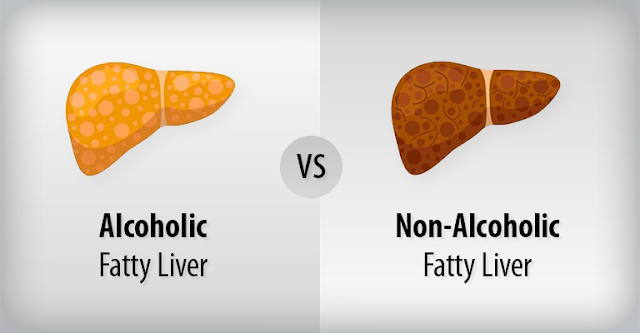
Steatosis to Cirrhosis: Exploring the Mechanisms Behind ARLD and NAFLD

In this post, we explore the similarities and differences between alcohol-related liver disease (ARLD) and non-alcoholic fatty liver disease (NAFLD)—two of the most common causes of liver dysfunction worldwide. 


Both progress through similar pathological stages but have distinct triggers, mechanisms, and associated conditions. Let’s dive into how each affects liver structure and function.

Monday, 9 June 2025

Viral hepatitis Part 3: Making Sense of Hepatitis B Serology ๐Ÿงฌ

Hepatitis B serology can feel like a maze of antigens, antibodies, and confusing lab results, but each marker tells a distinct story about the virus’s interaction with the immune system. Instead of memorizing isolated test results, understanding HBV’s pathophysiology makes interpretation logical, predictive, and clinically useful. 


This post breaks down the HBV lifecycle, key serological markers, and infection phases—helping clinicians differentiate acute, chronic, resolved, and vaccinated states with confidence. This guide will transform HBV serology from memorization into true understanding.

Research update: Medical school admission processes to target rural applicants

 I'm very pleased to share our latest publication in BMC Medical Education: "Medical school admission processes to target rural applicants: an international scoping review and mapping of Australian practices."

https://bmcmededuc.biomedcentral.com/articles/10.1186/s12909-025-07234-3 

Alongside esteemed colleagues from Deakin University, Charles Sturt University, University of Queensland, University of Melbourne, University of Adelaide, Western Sydney University, and the University of South Australia, we explored how Australian medical schools select rural applicants.

Our findings reinforce the importance of recruiting rural-origin students to address workforce shortages, revealing significant variations in how academic performance metrics and standardised tests are weighted across institutions. While many medical schools adapt entry criteria for rural candidates, greater consistency and evidence-based approaches could improve fairness and long-term healthcare sustainability.

This research aligns with international studies supporting tailored admission processes to strengthen rural health outcomes. We advocate for modified pathways that ensure equitable access to medical education and a stronger rural medical workforce.


Sunday, 8 June 2025

Viral hepatitis Part 2: from Chronic Hepatitis to Cirrhosis and Liver Cancer ๐Ÿงฌ

 While many patients recover completely from an episode of acute hepatitis, certain hepatitis viruses—especially Hepatitis B (HBV) and Hepatitis C (HCV)—fail to be cleared from the body. This persistence triggers a continuous inflammatory cascade in the liver, laying the groundwork for progressive scarring and, eventually, the development of hepatocellular carcinoma (HCC). 


In this post, we will explore:

  • What defines chronic hepatitis
  • How and why the liver progresses from inflammation to fibrosis, cirrhosis, and cancer
  • The clinical features of chronic hepatitis and cirrhosis
  • Risk factors, surveillance, and management strategies

Viral hepatitis Part 1: Understanding the Acute Inflammatory Liver Response ๐Ÿฆ 

 Acute viral hepatitis refers to sudden-onset liver inflammation caused by one of the hepatitis viruses — most commonly Hepatitis A, B, C, D, or E. Each virus has distinct routes of transmission, clinical behaviour, and implications for public health — but they share overlapping patterns of hepatic injury.

In this post, we will explore:

  • The pathophysiology of acute hepatitis
  • Key clinical features
  • Differences between the hepatitis viruses
  • Diagnostic approach and natural history

There will be further posts to follow this regarding chronic hepatitis and on interpreting Hepatitis B serology - watch this space!

Thursday, 5 June 2025

Signs of Liver Dysfunction: Linking Pathophysiology to Clinical Signs ๐Ÿšจ

The liver is essential for metabolism, synthesis, detoxification, immune regulation, and storage. When liver function fails, distinct signs emerge—often across multiple systems.

This guide explains why these signs occur and how they relate to underlying liver dysfunction. Rather than trying to memorise a list of signs - it is always better to think pathophysiologically from first principles- then you will know HOW and WHY things happen as they do.


Let's start by linking liver function and DYSfunction. When you know what the liver does normally (see the Structure and function blog post if you haven't yet) you can work out what will happen if it fails. 


Tuesday, 3 June 2025

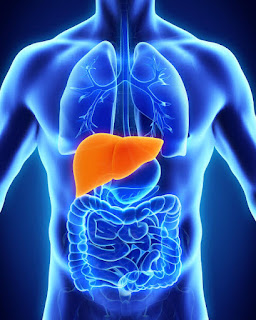
Welcome to the Liver

 Structure, Function, and Clinical Relevance

The liver is a multitasking marvel. Few organs work harder than the liver. Whether it’s keeping blood clotting smoothly, neutralising toxins, or managing energy reserves, its failure can lead to striking clinical signs—some subtle, others life-threatening.  Weighing just under 1.5 kg, it constitutes about 2% of an adult’s body weight but contributes to hundreds of critical biochemical processes. It is your metabolic hub, your detox centre, your protein factory, and your immune gatekeeper — all in one. Despite its resilience, even minor dysfunction can throw multiple systems off balance—making liver disease a key challenge in medicine.

Understanding its structure and function will help explain why liver dysfunction produces such distinct clinical signs.

↑ Back to top